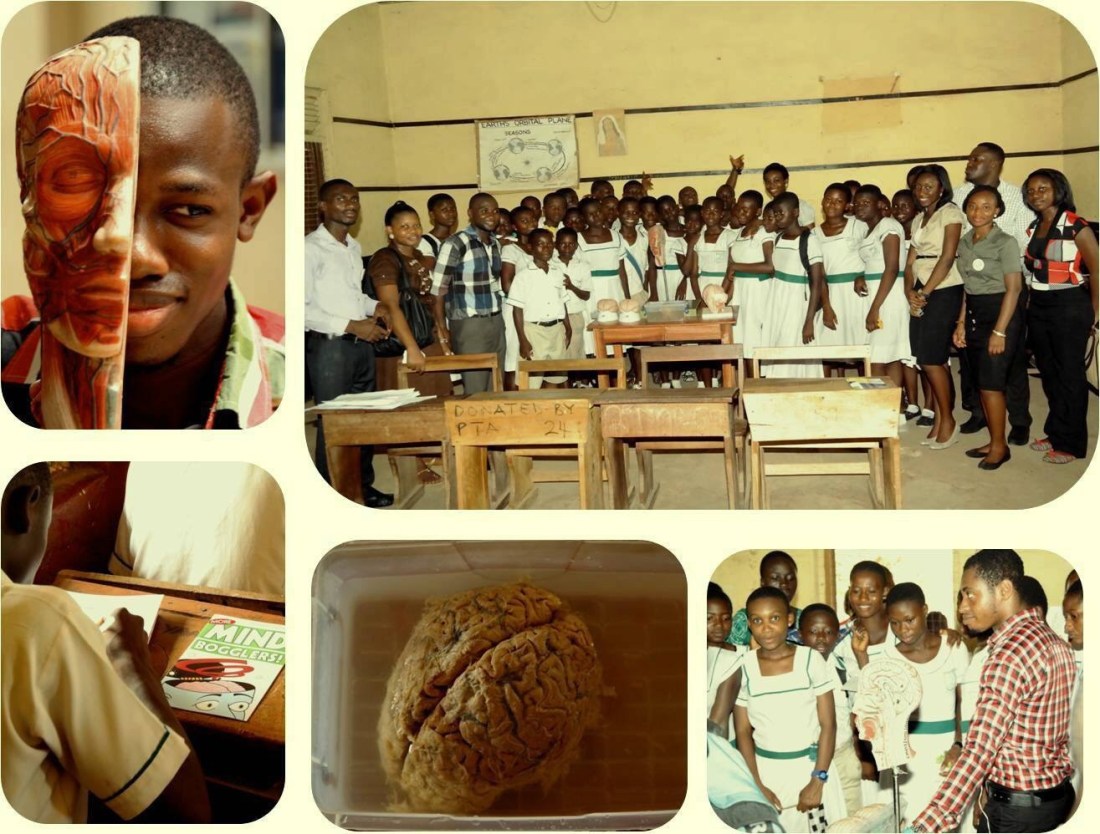
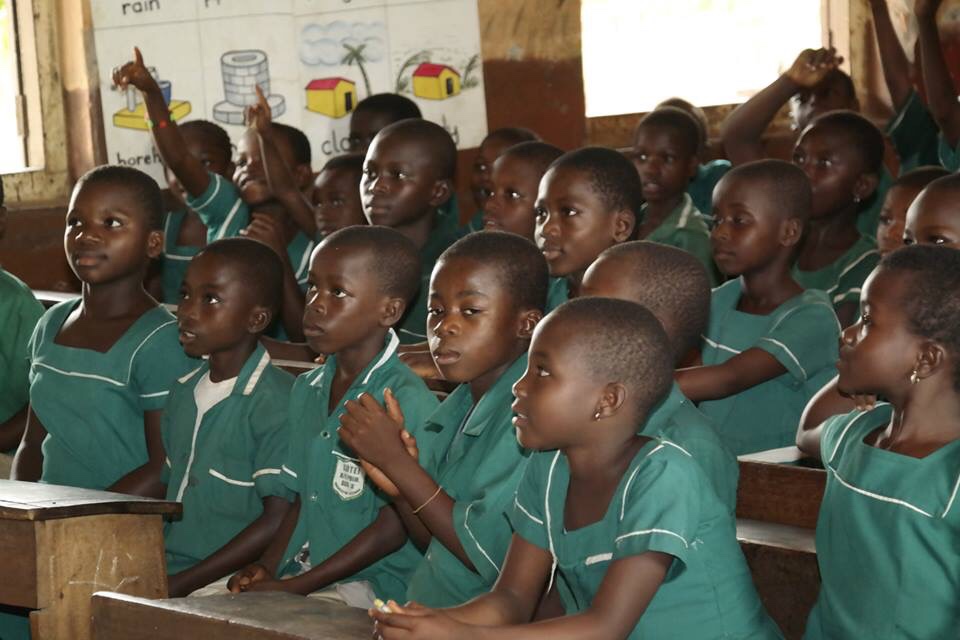
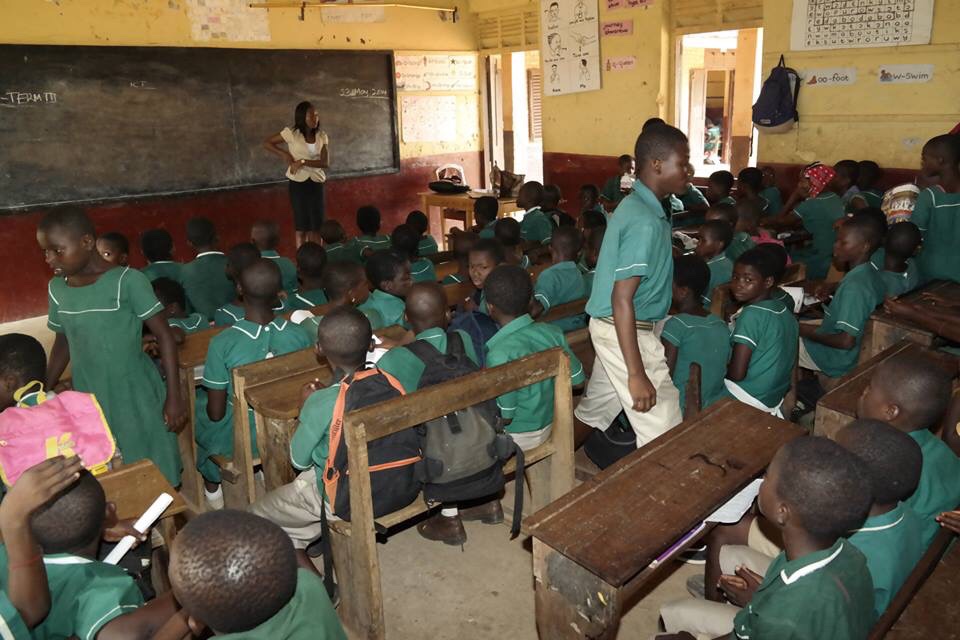
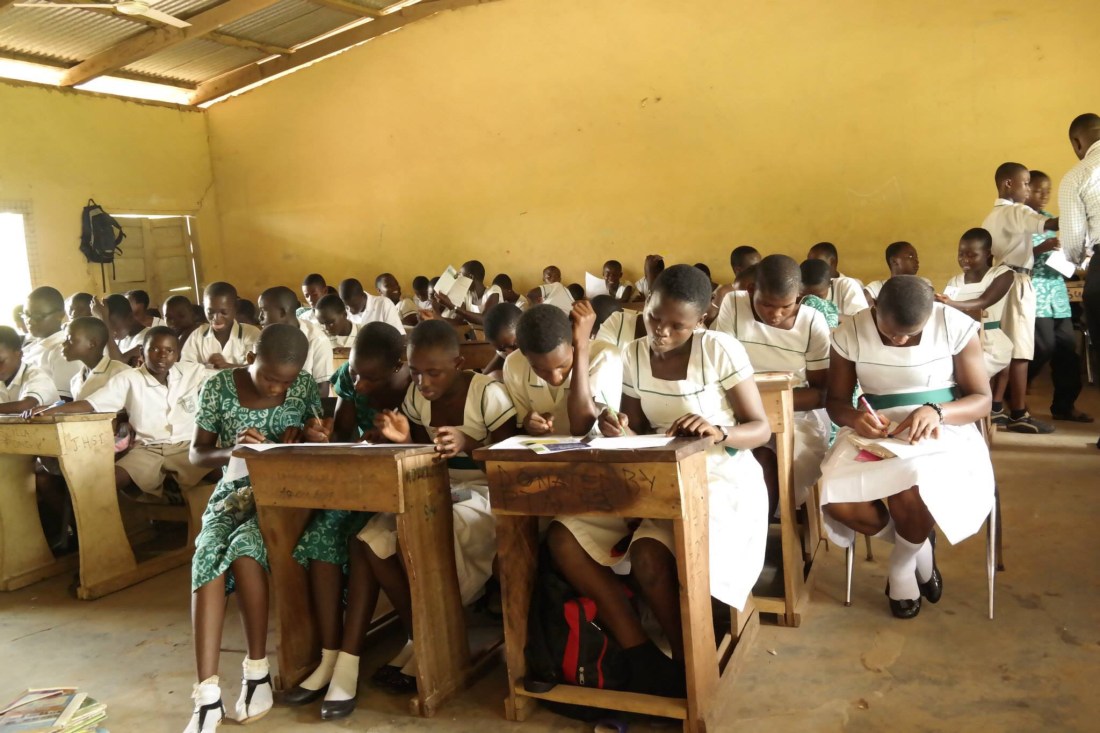
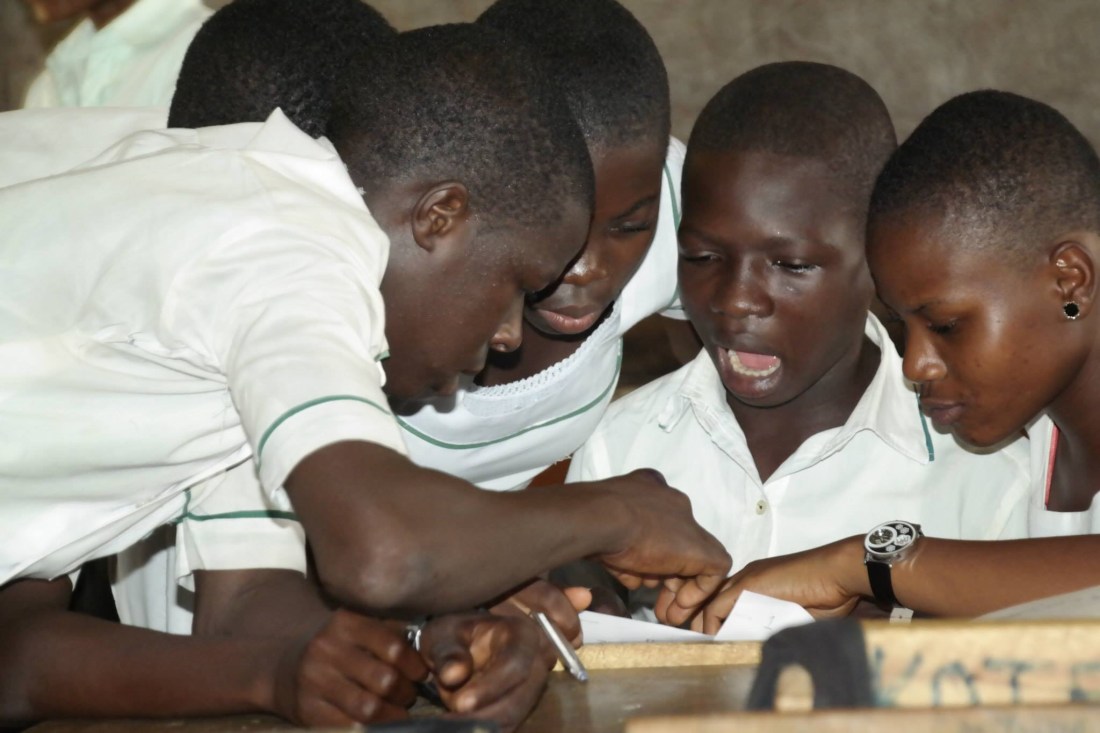
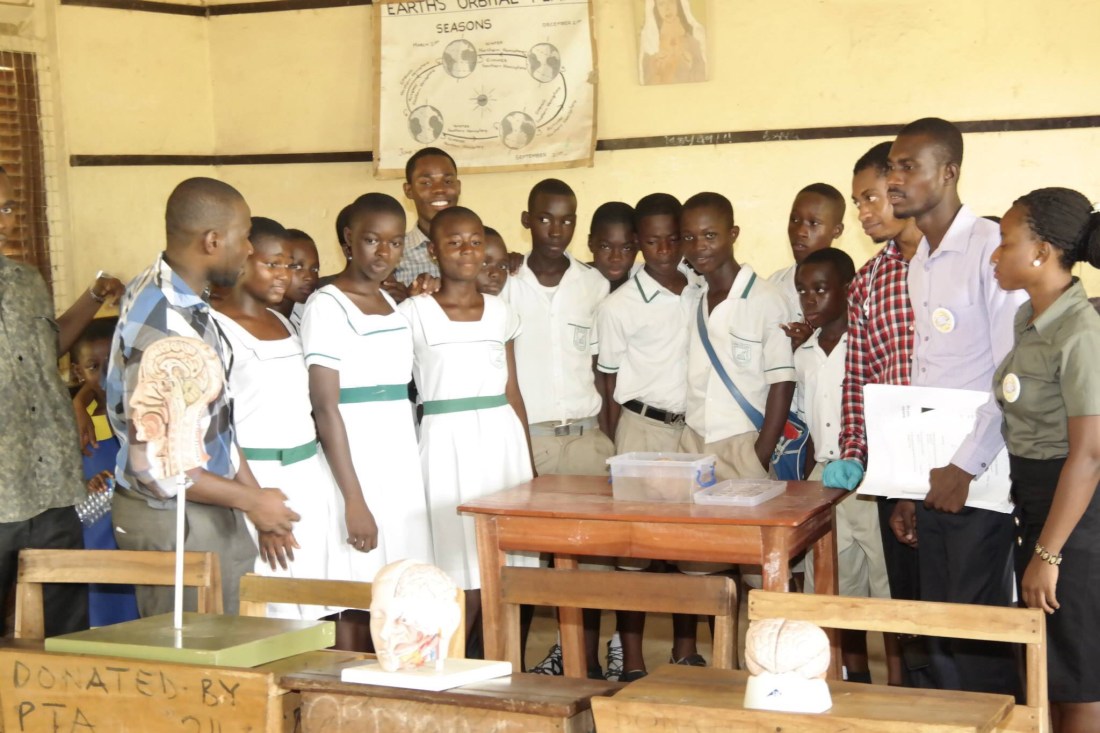
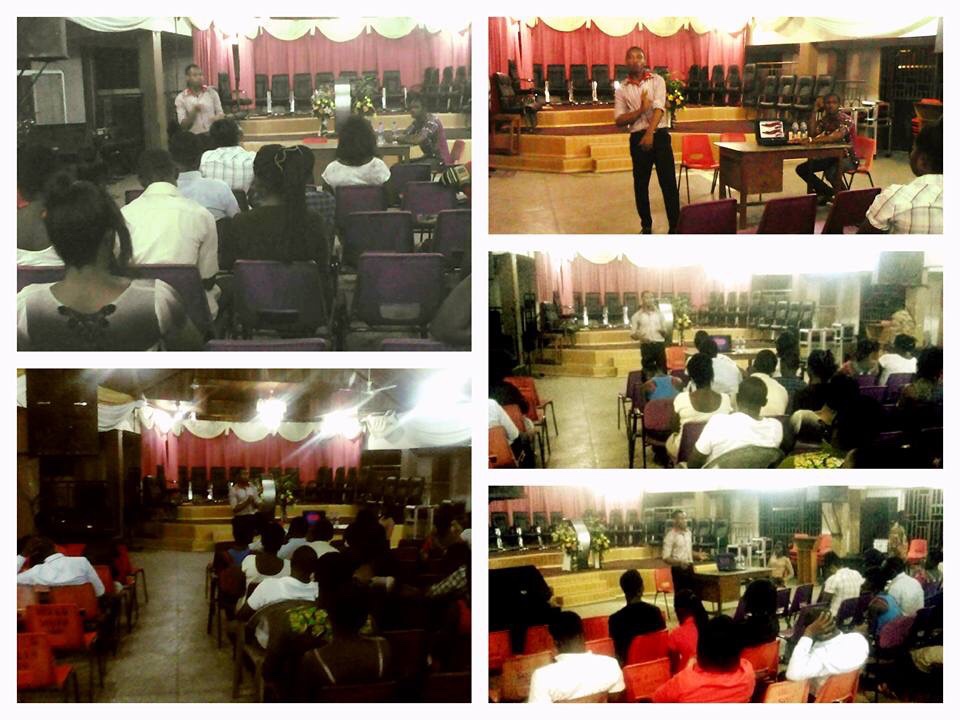
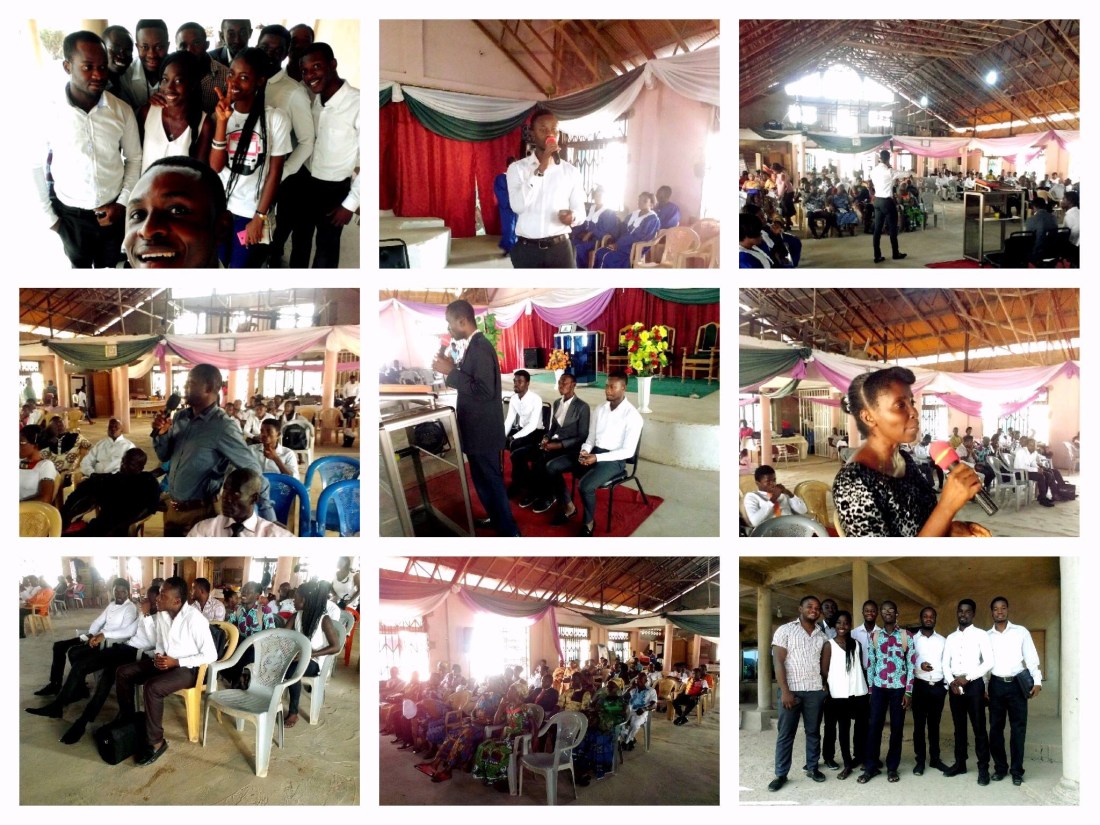
Equitable investment in Science, Technology, Engineering and Mathematics (STEM) would be a crucial step towards securing the scientific future of Africa. For this reason, African governments and other stakeholders in education do emphasise the need for adequate numbers of studentsentering higher education (HE) to study STEM subjects. However, the vast availability of subject choices at the HE level makes it necessary to assist students in making informed career decisions. In this direction, pre-university students should be introduced to scientific disciplines that are often missing from the school syllabi. Scientists-in-the-Classroom (SiC) activities have been shown to improve learning outcomes among pre-university students and inspire these students to choose careers in STEM. However, verifications of the effectiveness of this intervention are lacking in Africa. Here, we sought to ascertain whether short,interactive SiC sessions could alter pre-university students’ understanding of basic aspects of brain structure and function, inspire intellectual growth among them, and improve their interest in science careers. The study was implemented during outreach workshops delivered by undergraduate students and graduate teaching assistants to upper primary and senior high school students in Ghana. Each set of participants undertook a quiz (based on workshop content) before and after outreach delivery. Significant positive improvements in post-outreach quiz performance were recorded among both sets of students, suggesting that the activities helped to improve students’ understanding of brain-related information. Explaining the biological basis of learning to students made them more confident in their intellectual abilities. The outreach activities inspired teachers’ and students’ interest in science and made them more aware of the relevance of scientific research. Altogether, these data suggest that outreach partnerships between scientists and local schools could contribute to building better education systems in Africa. Practical measures should be developed to make use of scientists’ expertise in supporting teachers to develop STEM education in the continent.


 DRE-AM GHANA